

New EU rules to stop the destruction of unsold clothes and shoes
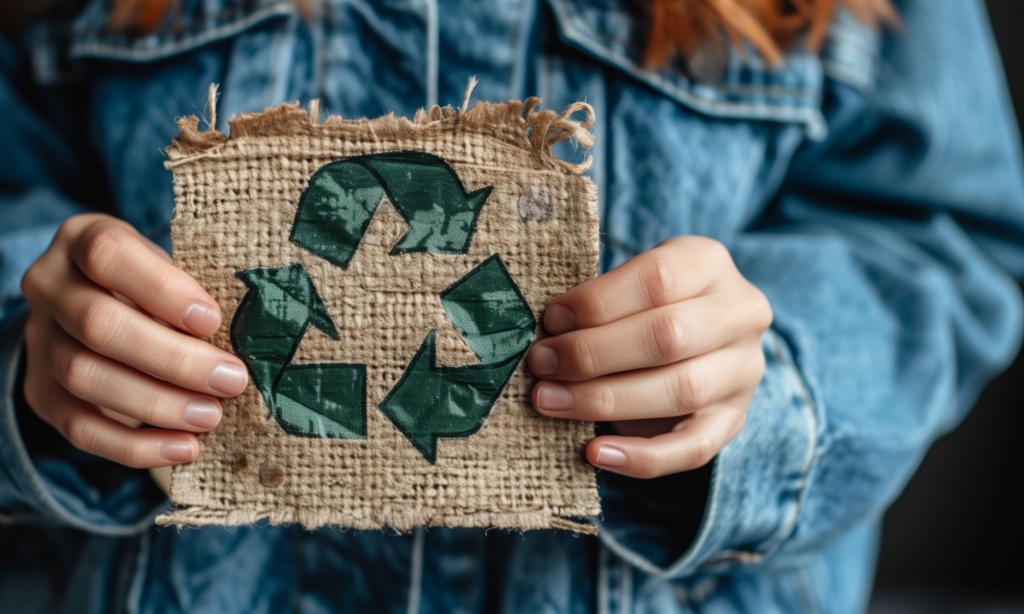
February, 6 2026. The European Commission adopted new measures under the Ecodesign for Sustainable Products Regulation (ESPR) to prevent the destruction of unsold apparel, clothing, accessories and footwear.
The rules will help cut waste, reduce environmental damage and create a level playing field for companies embracing sustainable business models, allowing them to reap the benefits of a more circular economy.
Every year in Europe, an estimated 4-9% of unsold textiles are destroyed before ever being worn. This waste generates around 5.6 million tons of CO2 emissions – almost equal to Sweden’s total net emissions in 2021.
To help reduce this wasteful practice, the ESPR requires companies to disclose information on the unsold consumer products they discard as waste. It also introduces a ban on the destruction of unsold apparel, clothing accessories and footwear.
The Delegated and Implementing Acts adopted today will support businesses in complying with these requirements by:
- Clarifying derogations: The Delegated Act outlines specific and justified circumstances under which the destruction will be permitted, for instance, due to safety reasons or product damage. National authorities will oversee compliance.
- Facilitating disclosure: The Implementing Act introduces a standardised format for businesses to disclose the volumes of unsold consumer goods they discard. This applies from February 2027, giving businesses sufficient time to adapt.
Instead of discarding stock, companies are encouraged to manage their stock more effectively, handle returns, and explore alternatives such as resale, remanufacturing, donations, or reuse.
The ban on destruction of unsold apparel, clothing accessories and footwear and the derogations will apply to large companies from 19 July 2026. Medium-sized companies are expected to follow in 2030. The rules on disclosure under the ESPR already apply to large companies and will also apply to medium-sized companies in 2030.